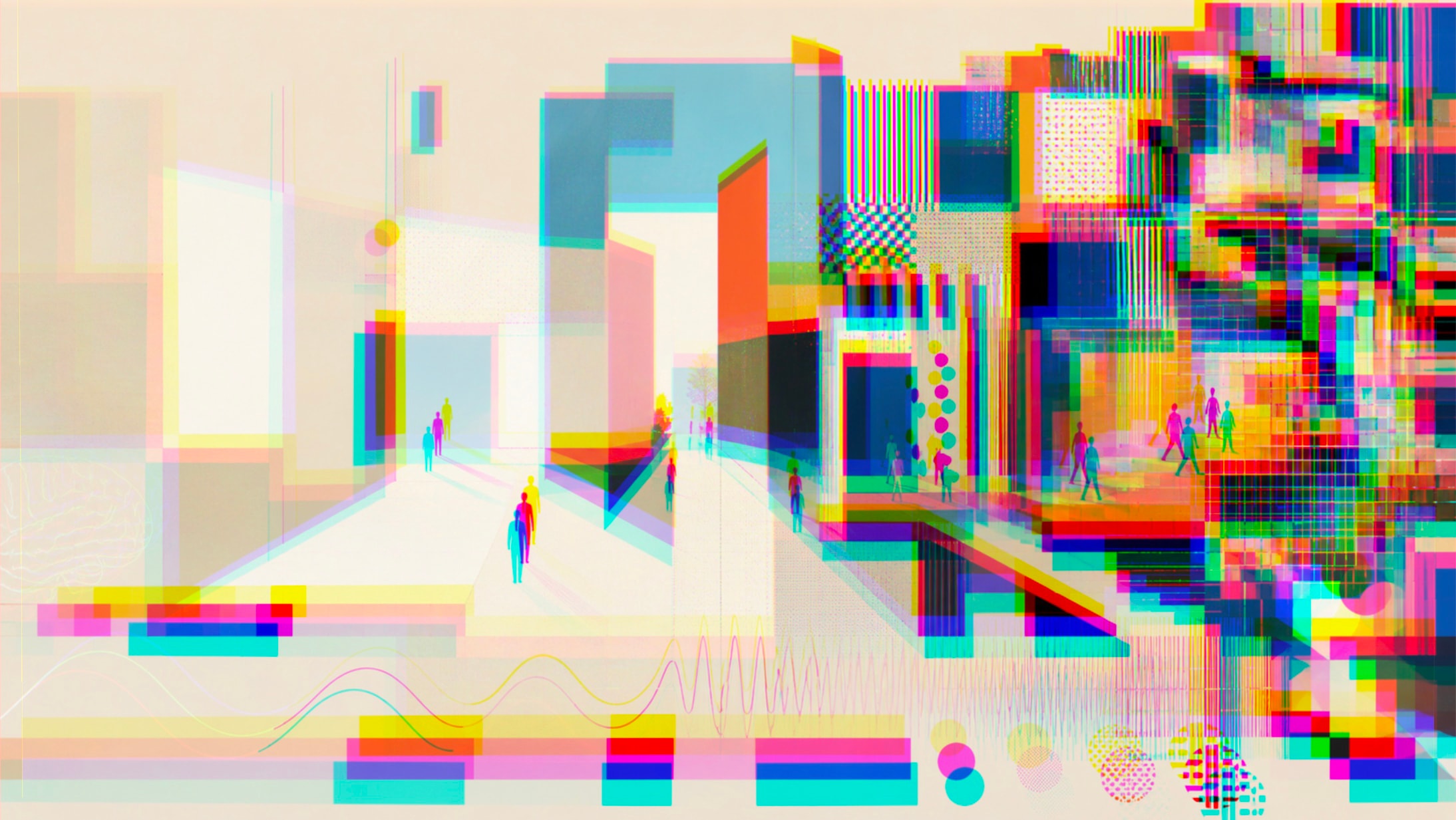
Emerging research in neuroscience reveals how spatial design directly shapes
cognitive performance, emotional regulation, and long-term behavioural patterns in
urban populations.
Designers are integrating sensory-driven principles to align architectural form with
the brain’s innate responses to rhythm, scale, and environmental coherence.
Advances in neuroarchitecture highlight how thoughtfully designed environments
can enhance memory retention, productivity, and emotional resilience across
diverse populations.
As cities evolve, the fusion of neuroscience and design is shaping more adaptive,
human-centered environments that respond intelligently to behavioural and
cognitive needs.
Neuroscience reveals how spatial design shapes cognition, emotion, and daily
human behaviour.
Neuroarchitecture is redefining how people perceive safety, creativity, and
connection.
Cities are evolving through neuroscience-informed design toward more human-
centered experiences.
Neuroscientists studying fruit-fly brains are uncovering how internal compass
systems turn landmarks and goals into movement, providing new clues for making
cities and buildings easier to navigate.
The most intelligent environments do not explain themselves with more signs; they
make the right movement feel obvious.
Emerging evidence shows that colour in architecture measurably alters autonomic
and brain activity, turning colour from decoration into a tool for emotional and
behavioural calibration.
Emerging research in neuroscience reveals how spatial design directly shapes
cognitive performance, emotional regulation, and long-term behavioural patterns in
urban populations.
Designers are integrating sensory-driven principles to align architectural form with
the brain’s innate responses to rhythm, scale, and environmental coherence.
Advances in neuroarchitecture highlight how thoughtfully designed environments
can enhance memory retention, productivity, and emotional resilience across
diverse populations.
As cities evolve, the fusion of neuroscience and design is shaping more adaptive,
human-centered environments that respond intelligently to behavioural and
cognitive needs.
Neuroscience reveals how spatial design shapes cognition, emotion, and daily
human behaviour.
Neuroarchitecture is redefining how people perceive safety, creativity, and
connection.
Cities are evolving through neuroscience-informed design toward more human-
centered experiences.
Neuroscientists studying fruit-fly brains are uncovering how internal compass
systems turn landmarks and goals into movement, providing new clues for making
cities and buildings easier to navigate.
The most intelligent environments do not explain themselves with more signs; they
make the right movement feel obvious.
Emerging evidence shows that colour in architecture measurably alters autonomic
and brain activity, turning colour from decoration into a tool for emotional and
behavioural calibration.